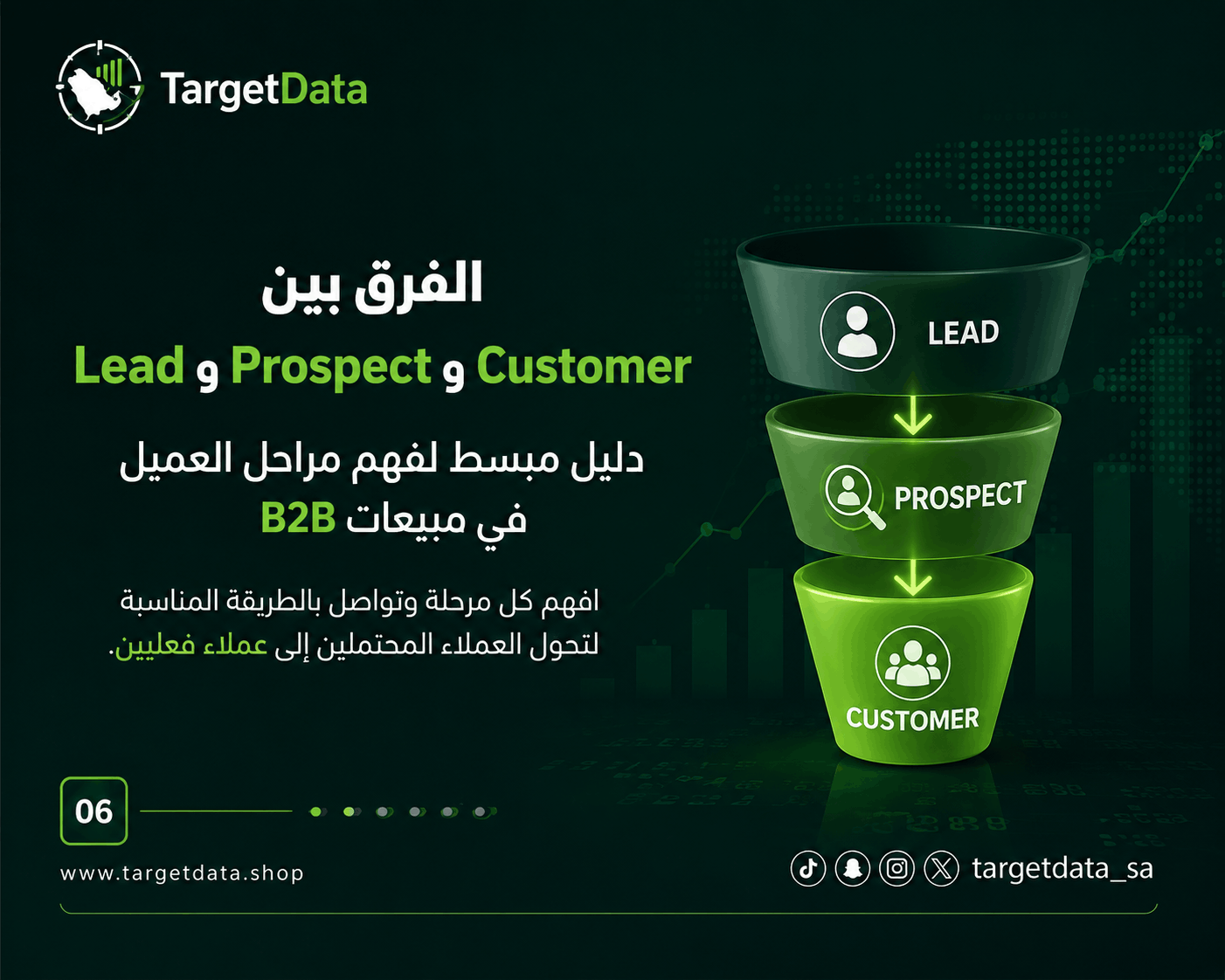
Sales teams lose clarity when every name in a database is called a customer. Clear lifecycle definitions improve reporting, ownership, and the actions taken at each stage.
A practical framework
Use the following steps as a working checklist. Adapt the order and level of detail to your market, offer, and compliance requirements.
- Lead: A record or person who may fit the market but has not yet been qualified.
- Prospect: A lead with evidence of fit and a plausible need or reason to engage.
- Opportunity: A qualified prospect involved in an active commercial conversation.
- Customer: A person or organization that has completed a purchase.
- Lifecycle management: Define entry and exit criteria, owners, required data, and next actions for every stage.
Measure before you scale
Track delivery, response, qualification, meeting, and conversion rates. Review the numbers by segment so that a strong result in one audience does not hide weak performance elsewhere. Keep only the channels and messages that produce qualified opportunities.
Responsible use of data
Use business and contact data lawfully and professionally. Respect privacy, local regulations, consent requirements, and the policies of every communication platform. Give recipients a clear way to opt out and keep suppression lists up to date.
Conclusion
Use consistent definitions across marketing and sales. Accurate stages make forecasts more credible and help teams focus on the right next action.