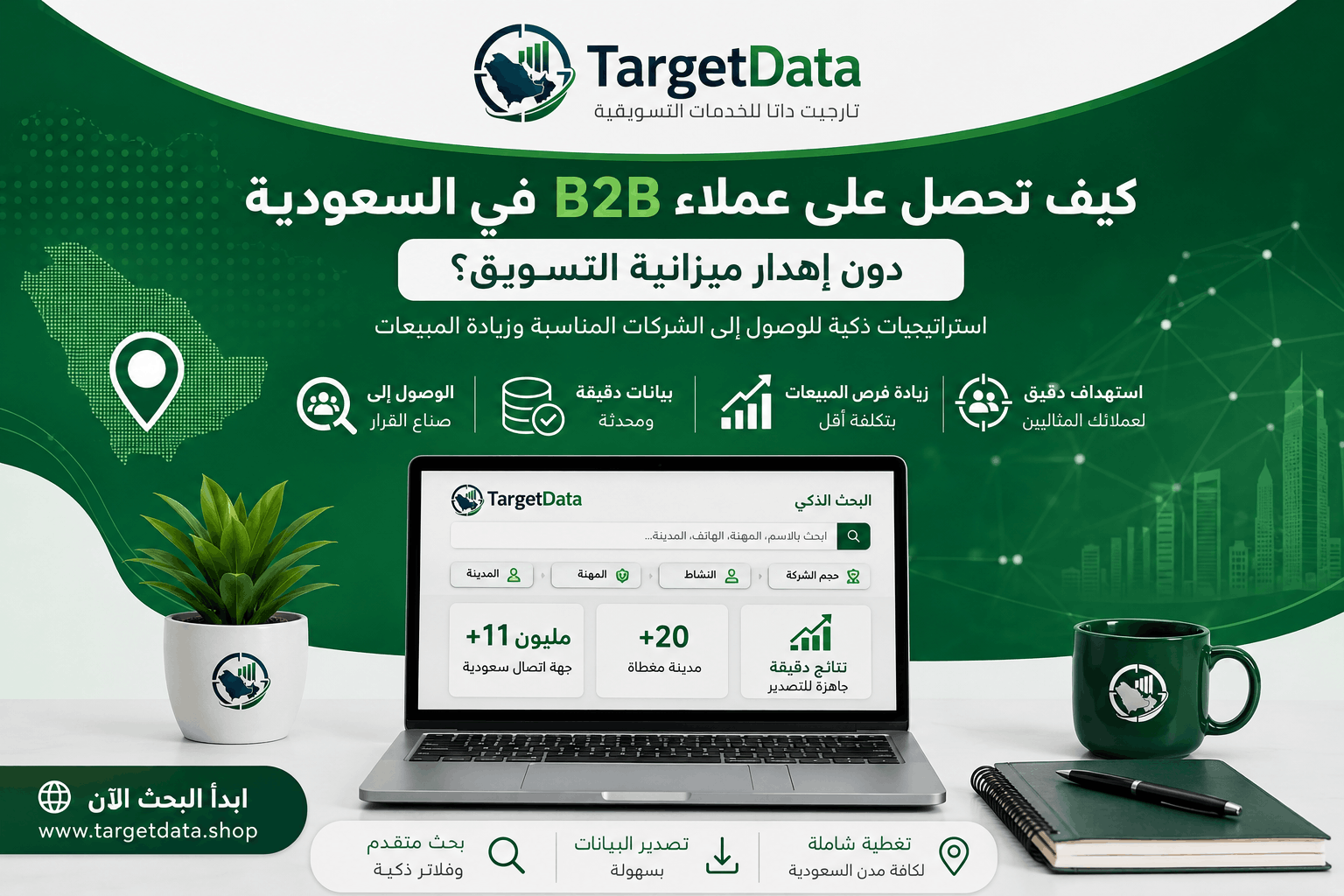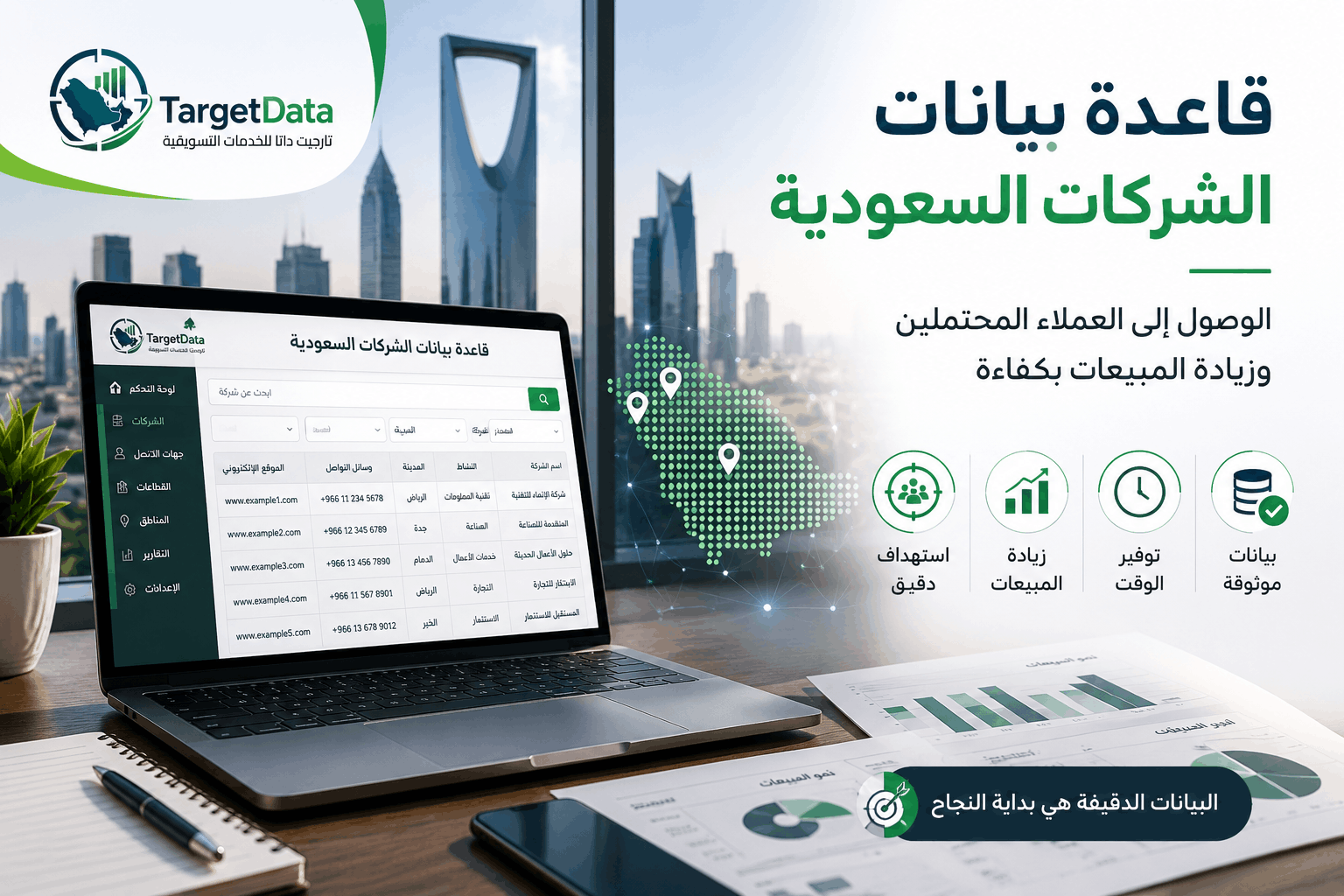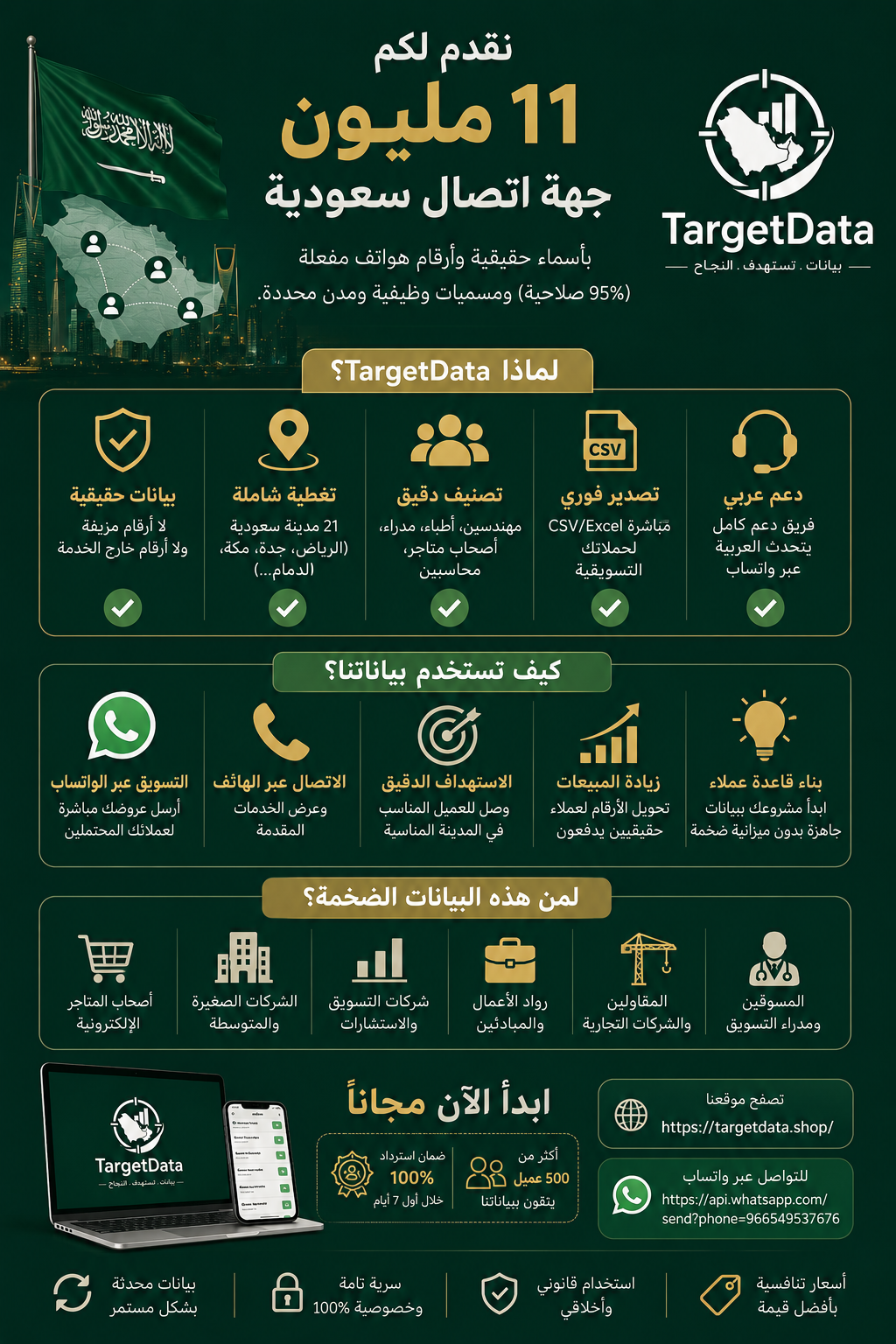
Access to millions of records does not guarantee revenue. Results come from defining the right customer, filtering the database carefully, and giving sales teams a repeatable process for qualification and follow-up.
A practical framework
Use the following steps as a working checklist. Adapt the order and level of detail to your market, offer, and compliance requirements.
- Build an ideal-customer profile: Specify the industries, cities, roles, and company characteristics that fit your offer.
- Create focused lists: Give each campaign a clear segment instead of mixing unrelated prospects.
- Prepare the first contact: Use a concise opening that connects a likely need to a specific benefit.
- Record every outcome: Tag calls and messages as connected, qualified, follow-up, or not relevant.
- Improve weekly: Use conversion data to refine lists, offers, and sales scripts.
Measure before you scale
Track delivery, response, qualification, meeting, and conversion rates. Review the numbers by segment so that a strong result in one audience does not hide weak performance elsewhere. Keep only the channels and messages that produce qualified opportunities.
Responsible use of data
Use business and contact data lawfully and professionally. Respect privacy, local regulations, consent requirements, and the policies of every communication platform. Give recipients a clear way to opt out and keep suppression lists up to date.
Conclusion
A dependable pipeline is built through relevance and consistent follow-up. Treat the database as a research and prioritization tool, then let your sales process create the value.